Precision through Know-How

Development & Engineering

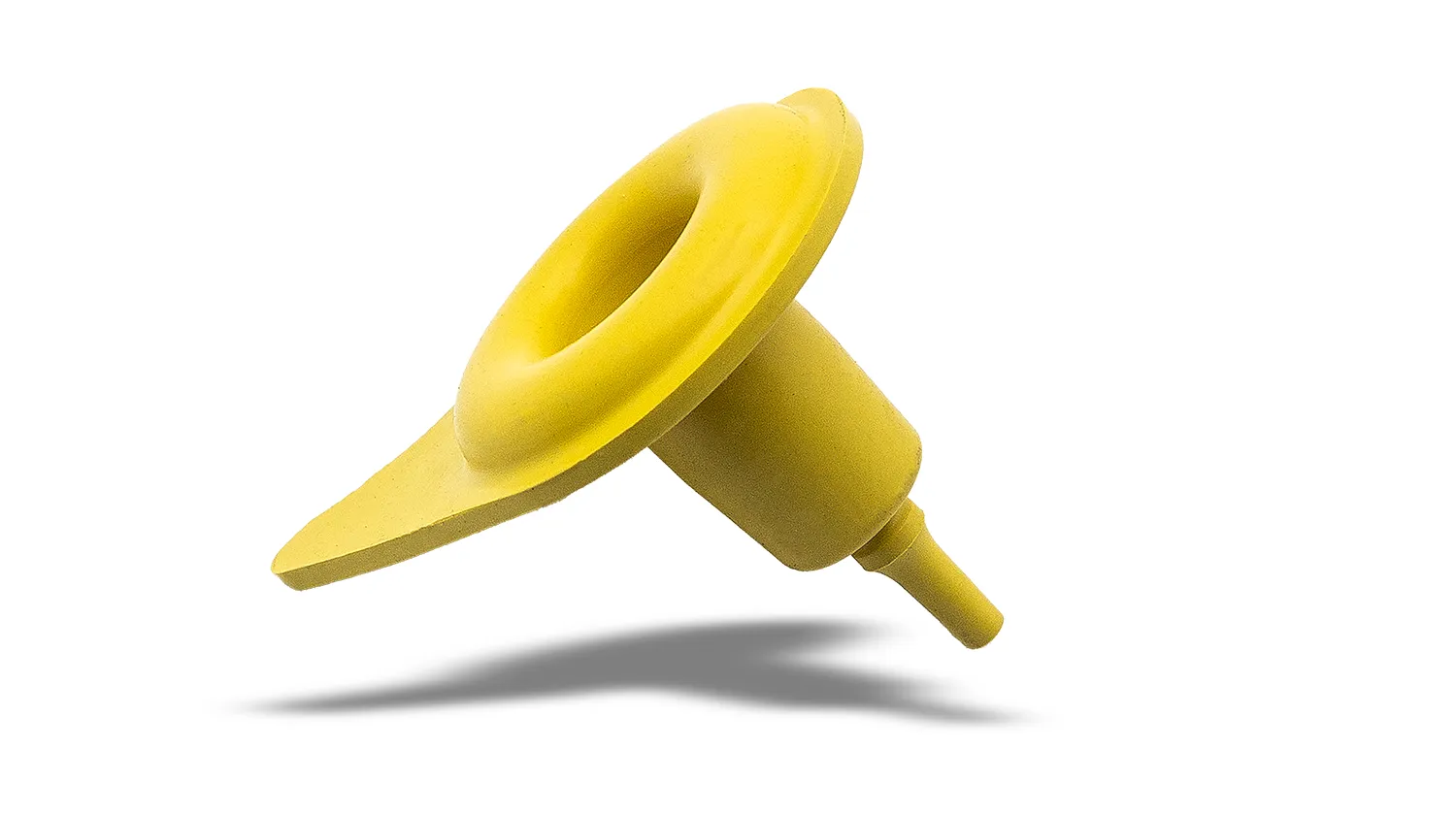
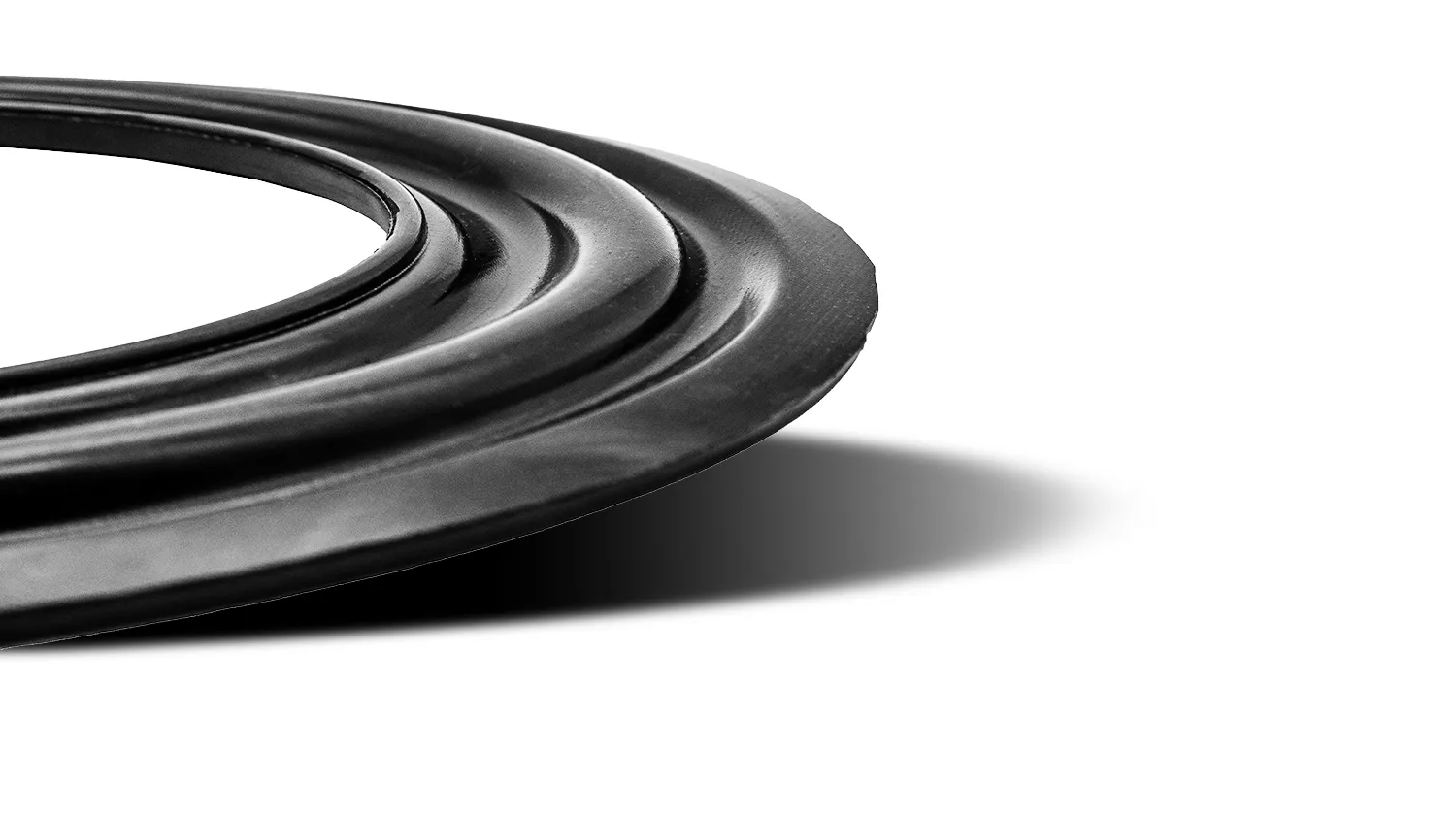
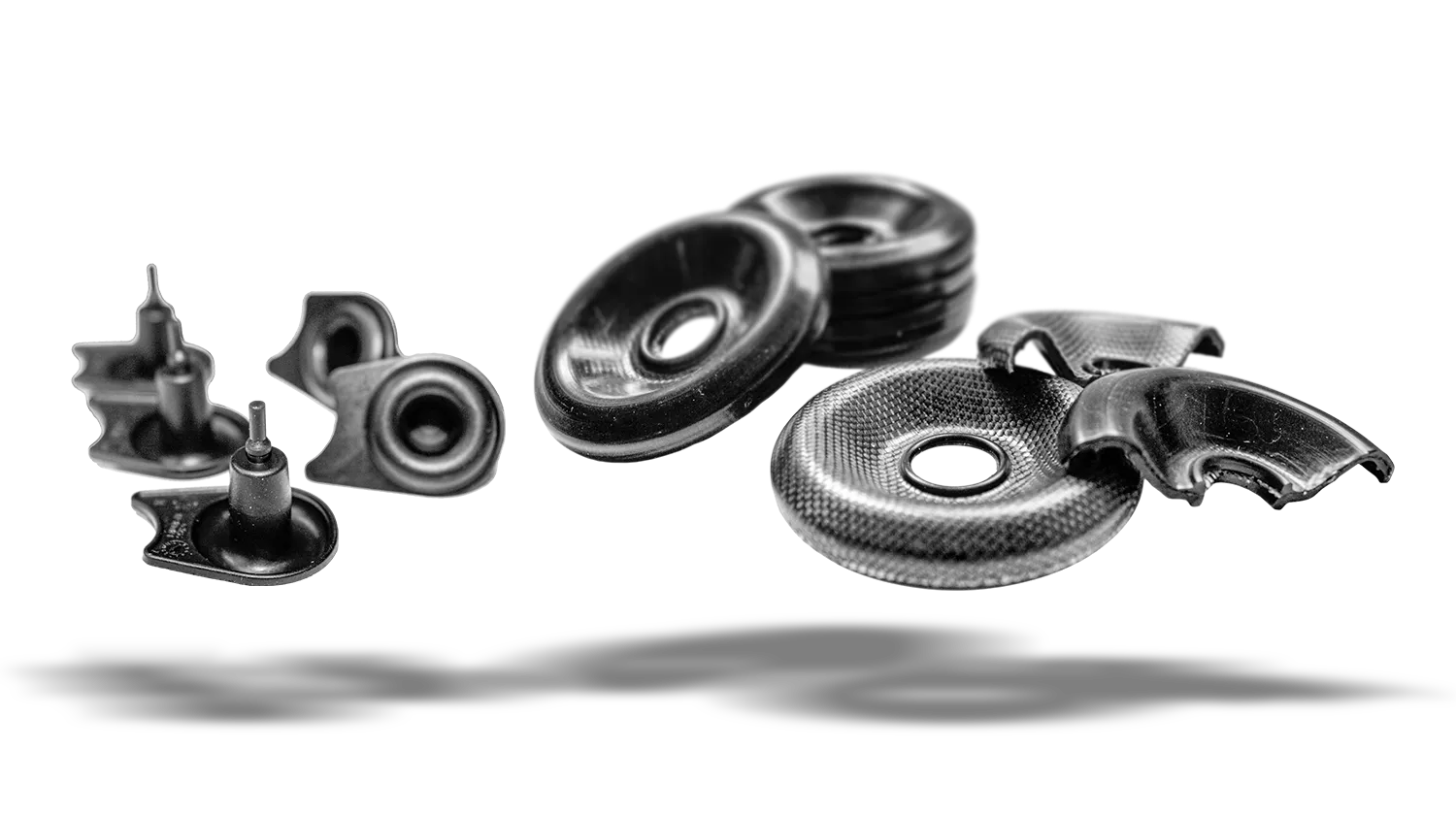
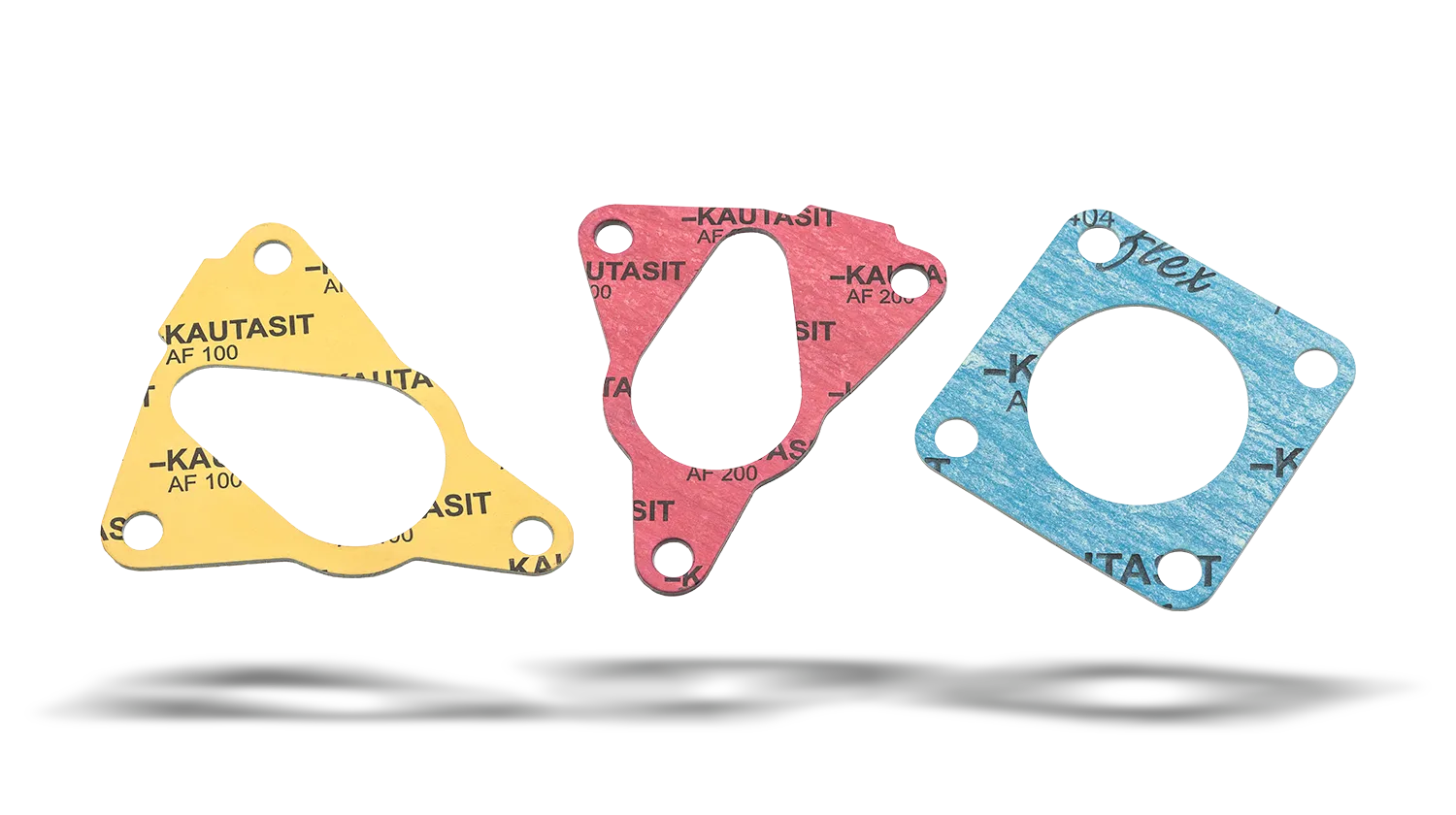
Precision begins long before production. At KAUTASIT, we combine decades of experience with state-of-the-art materials science to develop an exact, custom sealing solution for every challenge.

We draw on a portfolio of over 130 rubber compounds and manufacture the required tools directly at our plant in Dresden. Furthermore, we contribute our long-standing expertise in sealing technology to various research projects with regional partners.

The KAUTASIT 5-Step Development Process

We guide you methodically from the initial idea to the finished component. Our phased process guarantees maximum transparency and quality:

1. Requirement Analysis & Contact

You provide us with your specifications – ideally as a technical drawing or sample – including operating parameters such as temperature, media compatibility, and desired quantities.

2. Feasibility Study

Our experts review the technical feasibility and calculate a transparent offer for you.

3. Tooling & Mold Design

We manufacture the necessary tools in-house and select the most efficient manufacturing process (e.g., Injection Molding or Compression Molding).

4. Sampling

You receive initial samples including detailed inspection reports to validate fit, material properties, and function in your specific application.

5. Serial Release & Production

Following your approval, serial production begins according to the highest quality standards.

Our Know-How

Elastomer types

Our seals are made from a variety of different materials, each tailored to specific applications. We use over 130 materials with varying blends. The following types of rubber and elastomers are components of these rubber compounds for your custom seal.

Standard Polymers

No synthetic rubber surpasses the elastic properties of natural rubber. Perfect for high dynamic loads and impact resistance. Excellent low-temperature flexibility (-50°C), but no oil resistance and poor ozone resistance.

Mixture variants (so-called polymer blends) of NR with the polymers SBR (styrene-butadiene) and BR (butadiene). SBR increases abrasion resistance, BR improves dynamics and low-temperature flexibility.

A classic for oil and fuel contact. By varying the ACN (acrylonitrile) content, either oil resistance or low-temperature flexibility can be improved. Primarily used in hydraulic applications.

Specialty Elastomers

Specialist for hot water, steam, and weathering; temperature resistant from -50 °C to +150 °C. Special types up to +180 °C. Suitable for use in drinking water (tested according to KTW-BWGL and FDA, BfR, and EC Regulation 1935/2004) and sanitary applications, and in special cases, also in refrigeration technology.

A highly elastic classic for physically demanding niche applications and an all-rounder when it comes to oil, ozone, and weather resistance. Used particularly in refrigeration technology.

Impresses with excellent weather, aging, and chemical resistance (against acids and bases), flame retardancy, and high color and surface stability.

Exhibits good ozone and weather resistance. A key characteristic of ECO is its excellent gas tightness combined with low refrigerant permeation (R134a and R1234yf), which is why it is frequently used in the automotive sector for air conditioning systems and refrigeration circuits.

Automotive specialist for use in combination with hot oil, hot air (up to 150°C), and weathering. Resistant to blow-by gases (combustion gases). Used, for example, in hose applications, engine and transmission seals.

Highest mechanical properties in terms of tensile and abrasion resistance, as well as excellent gas tightness. Due to their good temperature resistance (up to +125 °C) and low-temperature flexibility (down to -30 °C), as well as excellent resistance to oxygen and ozone, polyurethane rubber seals have a long service life.

A modified NBR with increased polarity (COOH groups) for improved wear resistance and higher resistance to mechanical stress.

Offers maximum gas barrier performance in the absence of oils and is therefore the best option for pure gas seals. It also possesses very good damping properties and good aging resistance. Excellent permeation properties. Its main applications are tire liners and seals for gas/refrigerant.

High-performance elastomers

An all-rounder among high-performance materials for high thermal (up to 150 °C) and mechanical loads. Special types are also suitable for low-temperature applications. Superior abrasion resistance and low-temperature flexibility compared to FKM. Suitable for use in various refrigerant and oil systems.

Excels in extreme temperature ranges (-60°C to +200°C) and is physiologically safe. It also offers excellent ozone and weather resistance. Used in medical and food technology.

Combines the thermal resistance of silicone with the fuel, oil, and solvent resistance of fluorocarbon rubbers. FVMQ is unbeatable in extreme cold (-40°C to -60°C) when exposed to fuel or oil.

The standard fluorocarbon rubber for high temperature resistance (200°C) and excellent resistance to aggressive media, with a focus on non-polar contact media (mineral oils, fuels).

A special fluorocarbon rubber for improved resistance to polar media (amines, anhydrides, acids, and bases) as well as ammonia, hot water, and steam. Like all fluoropolymers, it offers high temperature resistance (200 °C).

The gold standard of sealants. Maximum fluorination ensures the highest chemical and thermal resistance (up to 325 °C). Often used as the material of choice for extremely demanding sealing applications where other elastomers fail.

Our Philosophy

Innovation through Cooperation and Tradition

Our engineering looks ahead without forgetting our roots.
This combination makes us a reliable partner for high-tech industries:

Research & Science

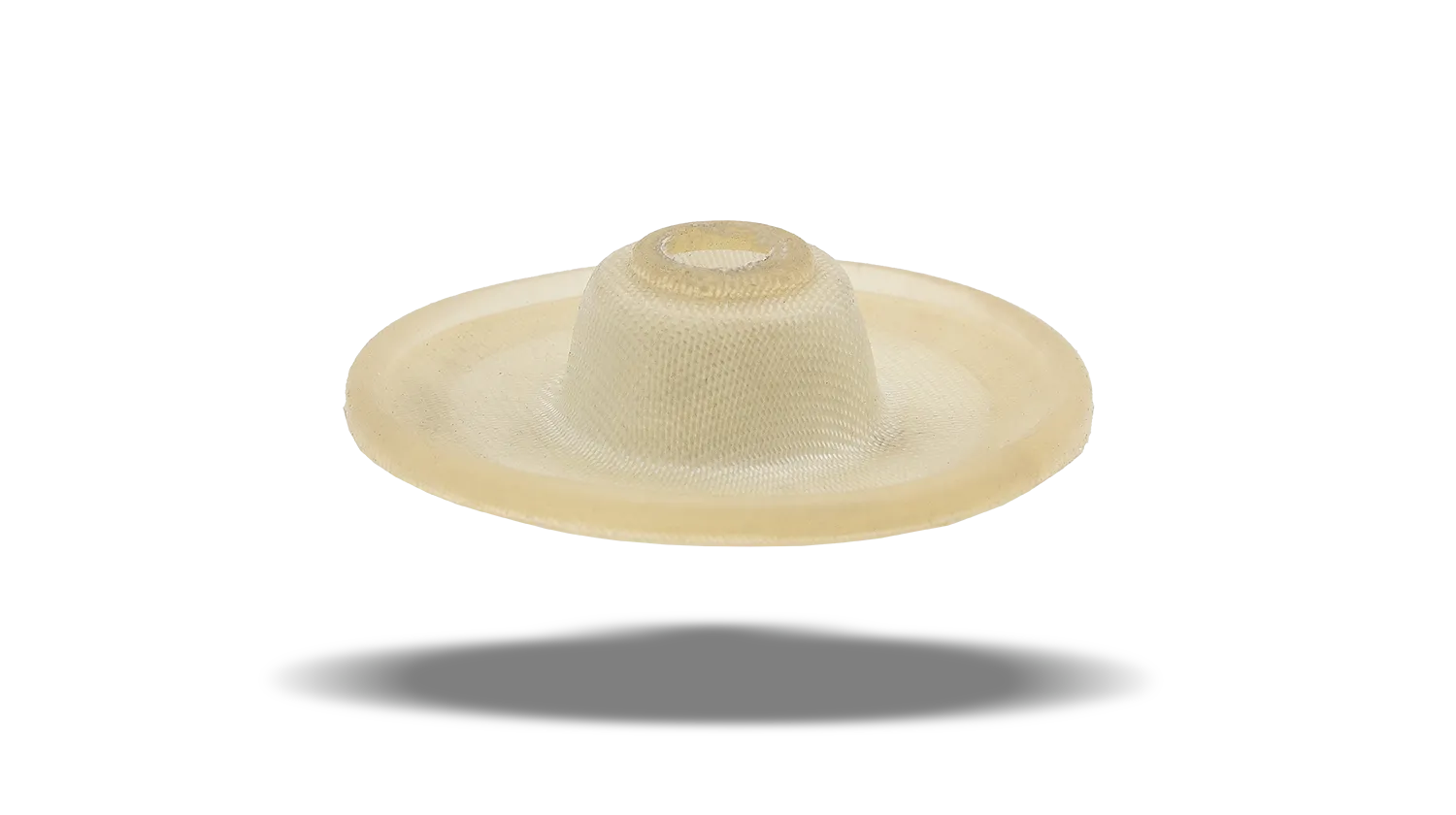
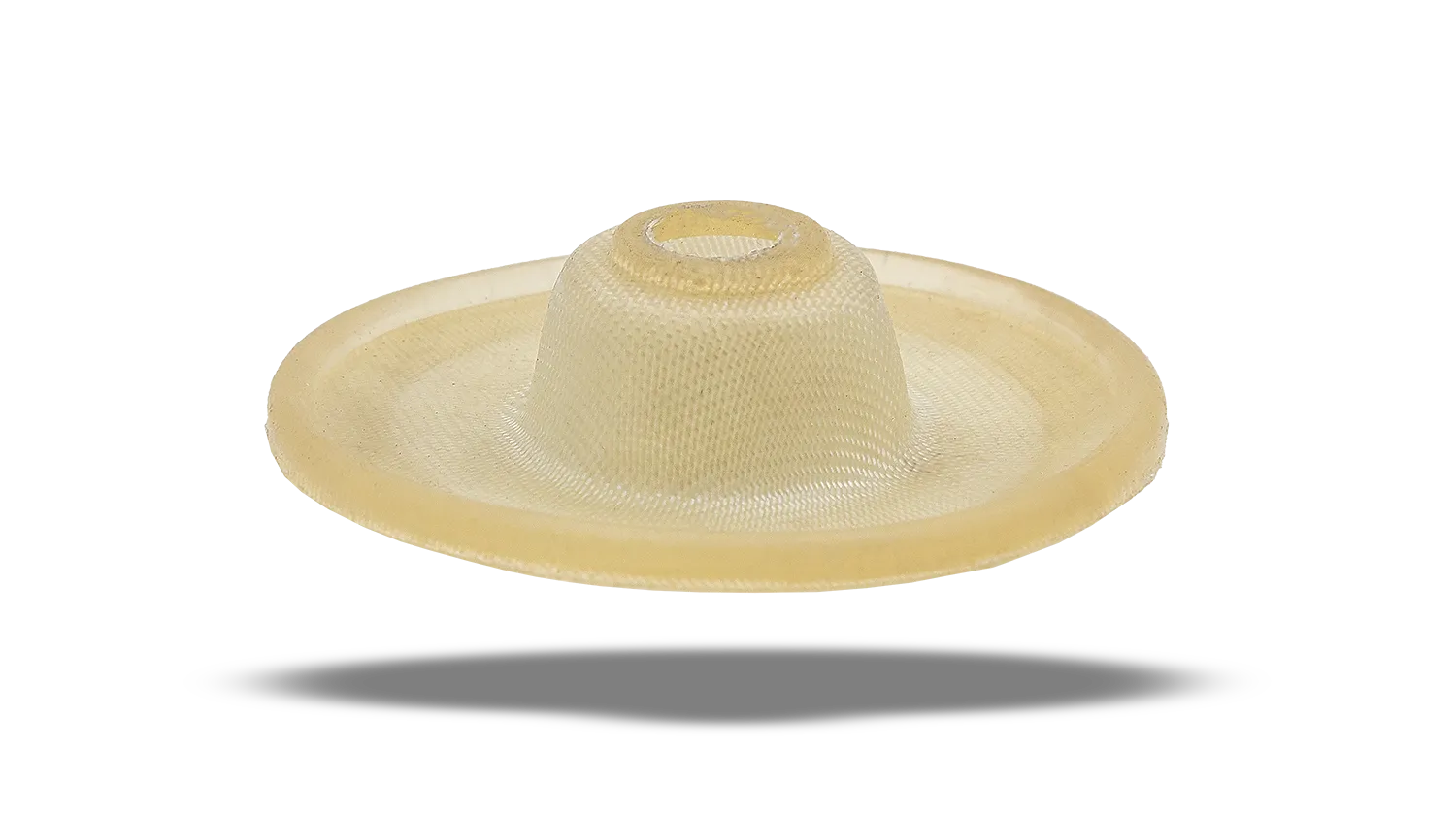
Stagnation is not an option for us. In collaboration with ➜ TU Dresden, we are developing novel hybrid coatings for extremely durable, cold-flexible textile membranes.

Research & Science

In close collaboration with the ➜ Institute for Air and Refrigeration Technology (ILK), we are working on alternatives to PFAS (perpetual chemicals) to meet future regulatory requirements today.

Traditional Origins

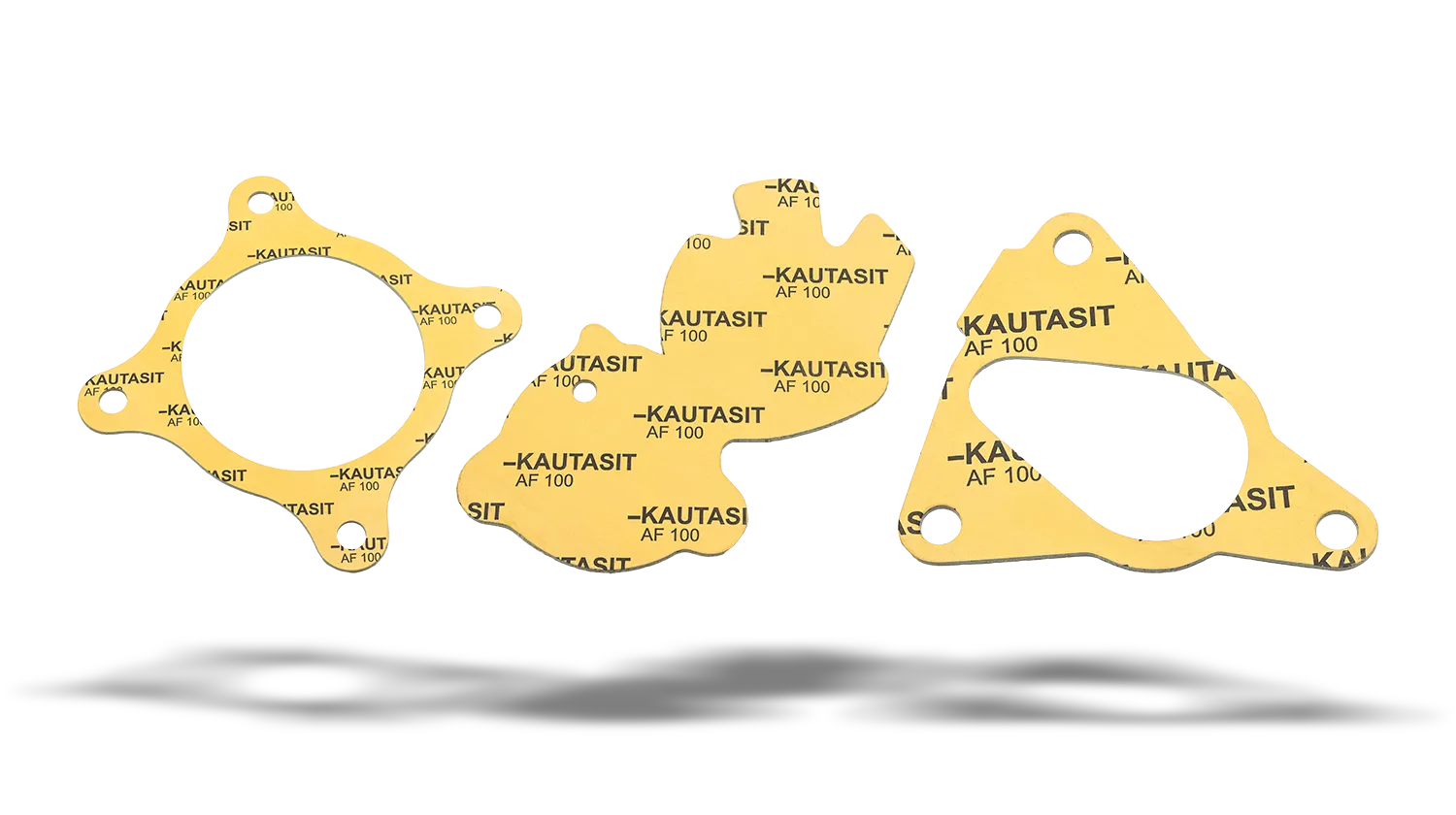
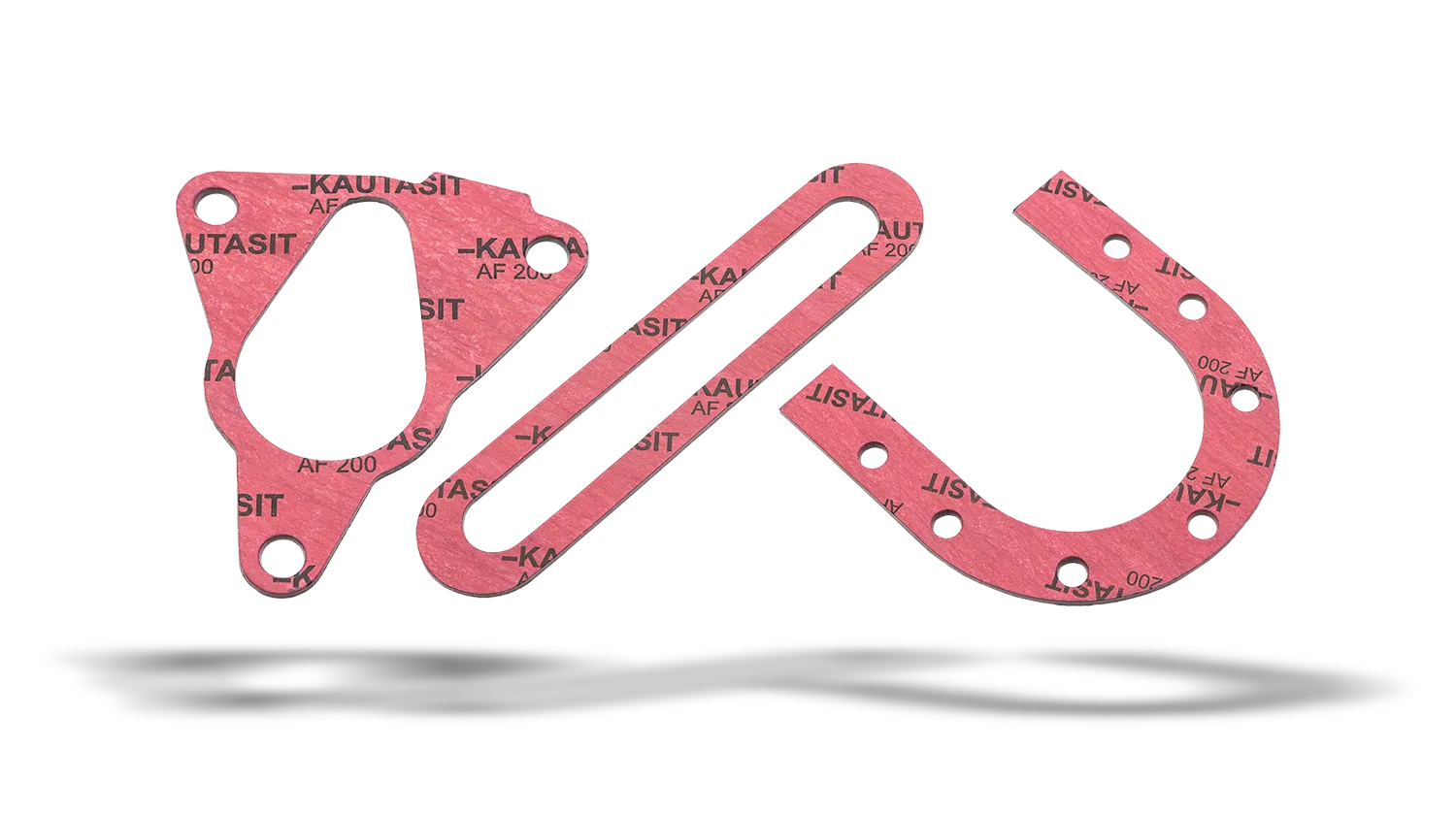
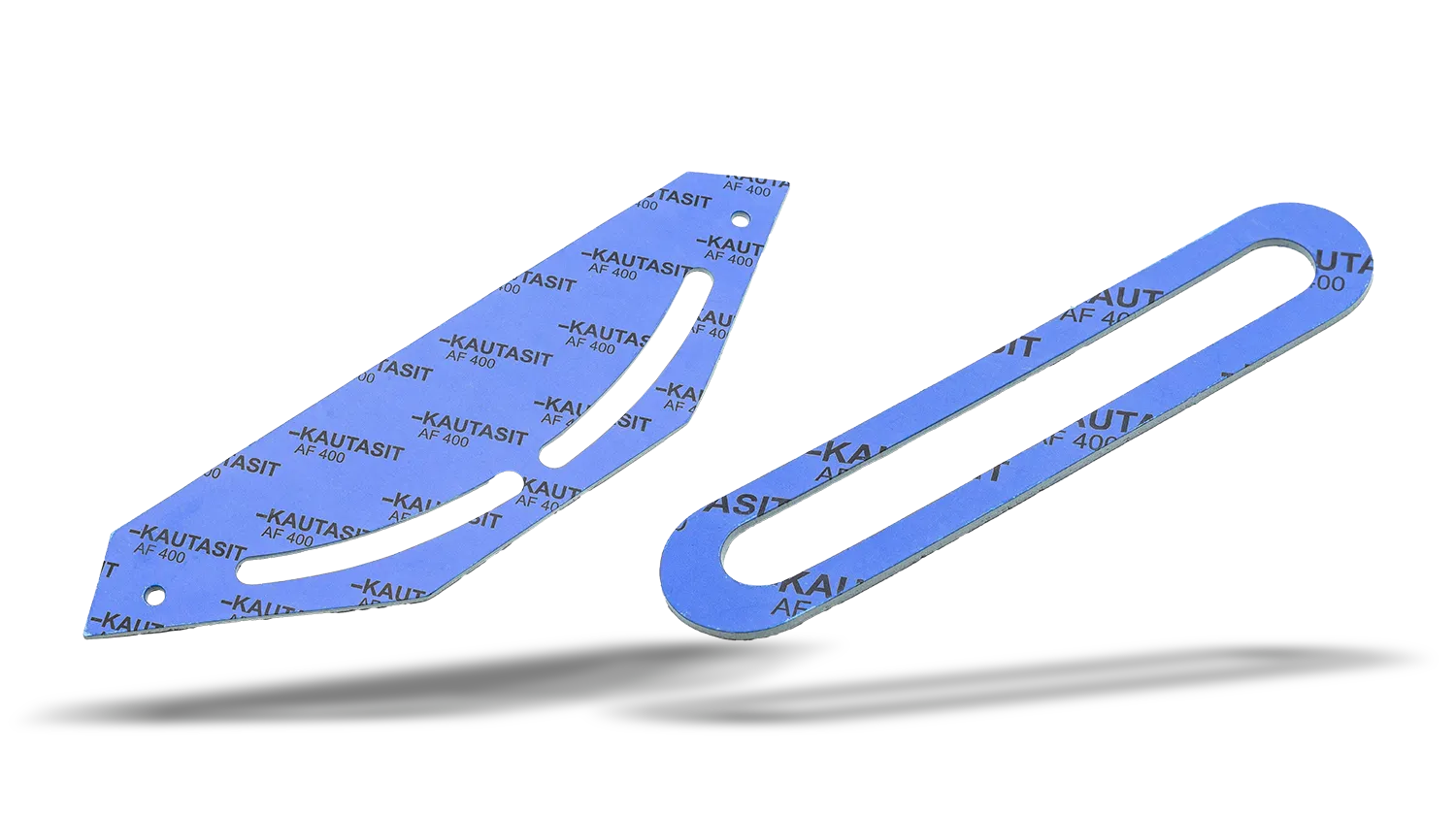
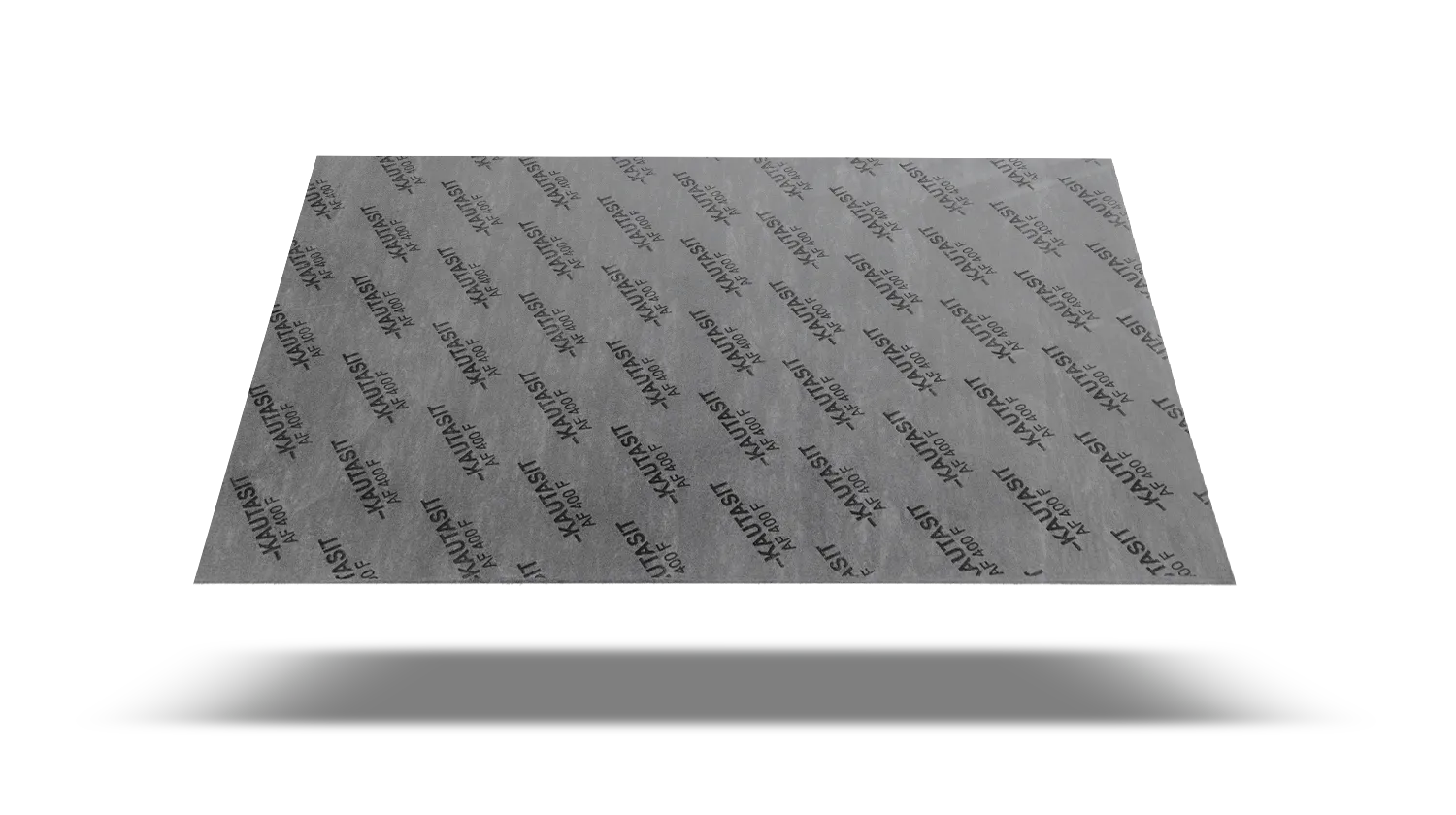
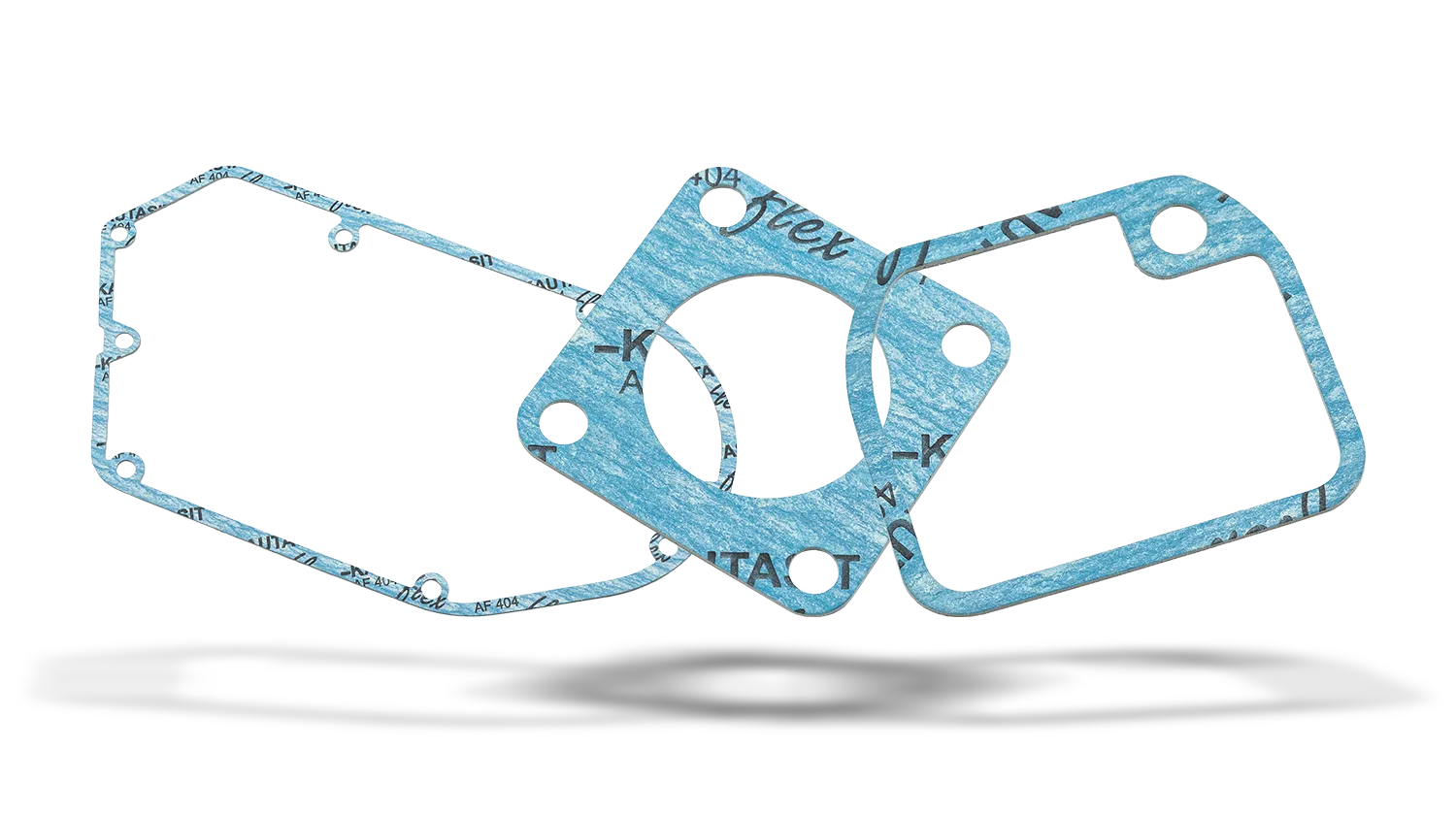
KAUTASIT is closely linked to the history of sealing technology. We preserve valuable knowledge, for example, by providing true-to-original TGL seals for the maintenance of older systems, and combine this with modern material innovations based on the Kautasit factory standard.

Trust meets Innovation

Saxon Quality Worldwide

A Selection of Our Global Partners